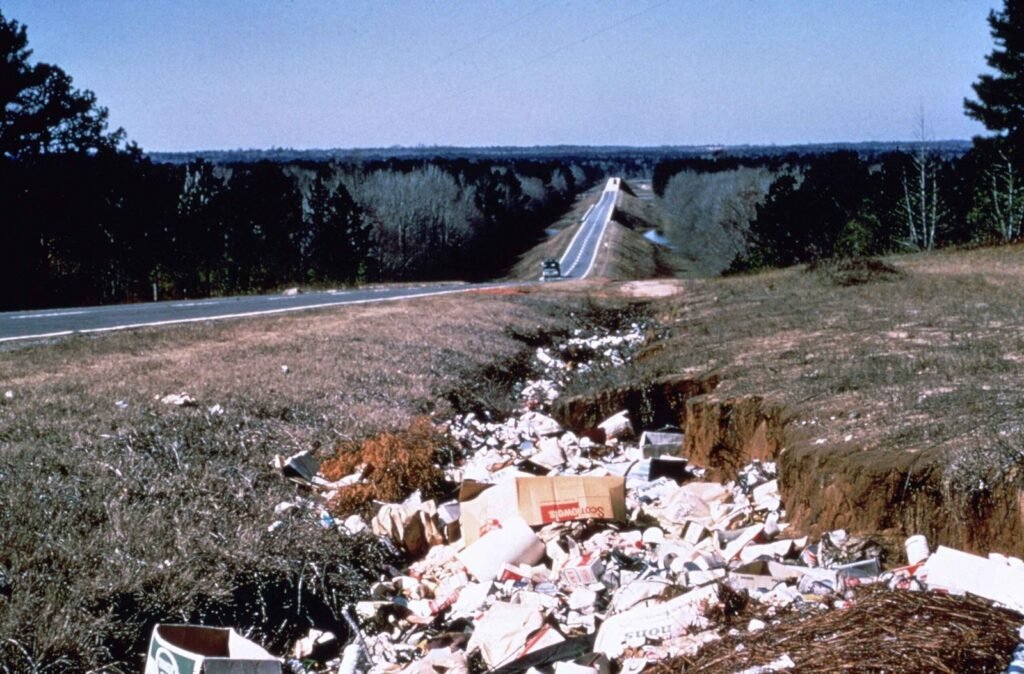
An open-air landfill in a large African city, symbol of inadequate waste management. Municipalities and NGOs are often left alone to face the challenges of their communities.
In many African cities, municipalities are on the front line, facing enormous challenges: rapid rural exodus, accelerated urbanization, and pressing social and economic needs. Decentralization reforms (Blundo, 2019; Lemarchand, 2020), launched several decades ago, have created high expectations and opened up real prospects. However, on the ground, local governments still often lack technical, financial, and human resources, making it difficult to fully carry out their missions.
Local Development Plans, often outdated, struggle to effectively guide public action. Waste management remains a major concern — less than half of urban waste (UN-Habitat, 2020; AfDB, 2021) is collected in some major cities, with visible consequences on health and the environment. Local finances remain fragile, and coordination among actors is often insufficient. Despite the daily efforts of elected officials and municipal staff, administrative slowness (World Bank, 2019), a lack of technological tools, and inequalities in service delivery between neighborhoods continue to undermine public trust.
These realities do not stem from a lack of willpower but from the complexity of the challenges in a still incomplete decentralization process. To provide a structured and sustainable response, RADENAMIAS LLC, a U.S.-based company founded by African experts in decentralization and local development, created SIFACO — the International Financing and Support Service for Municipalities and NGOs.
SIFACO aims to help municipalities and NGOs turn constraints into development opportunities by documenting the population’s priority issues, structuring them into short- and medium-term development programs, mobilizing financing, and ensuring their implementation. This is done by drawing inspiration from the Client–Provider–Payer Model (CPPM), which encourages municipalities and NGOs to act as service providers focused primarily on the satisfaction of the “clients” — the people they serve.
Poverty remains a harsh reality for a large proportion of people living in African municipalities. Despite the efforts of governments, financial partners, local authorities, and NGOs, progress remains limited and fragile due to inadequate financial resources. Structural barriers — such as the transfer of responsibilities without sufficient funding, weak local revenue bases, and dependence on external financing — make it difficult to implement lasting solutions.
The lack of organization, combined with limited technical, human, and financial capacity, results in the inability to meet essential needs: under-equipped schools and health centers, inadequate urban services, poor waste management, and unequal access to infrastructure across neighborhoods. Municipalities and NGOs, though deeply committed, are often trapped in emergency management rather than long-term development.
These difficulties amplify social issues: lack of citizen participation, administrative delays, and unreliable data all hinder effective planning. As a result, vulnerable populations see their living conditions worsen, while proposed solutions remain short-term and insufficient to bring lasting change.
Poverty persists not only due to limited funding but also because of structural weaknesses that prevent local actors from mobilizing sustainable solutions. It is therefore urgent to rethink how local institutions are supported and financed, to turn challenges into opportunities and break the cycle of precarity.
The Client–Provider–Payer (CPPM) model represents a major shift in local governance practices across Francophone Africa. By encouraging municipalities, NGOs, and community organizations to see themselves as service providers, this model places citizen satisfaction at the center of local action.
Local governments are no longer mere recipients of aid or emergency managers — they become responsible for designing, leading, and evaluating services that respond to the real needs of their citizens. This approach promotes a proactive mindset: every program or project must be designed according to the expectations expressed by citizens, who are recognized as legitimate, demanding clients of public service.
The CPPM model reinforces the citizens’ right to hold their leaders accountable. They are no longer passive beneficiaries but active stakeholders, entitled to demand transparency and quality results. Financial partners — whether international donors, foundations, corporations, or the state — invest in interventions that are rigorously monitored and evaluated. The contractual mechanisms of CPPM ensure that each stage of funding and implementation is documented, making impact measurement and communication transparent and reliable.
Finally, the model emphasizes responsible use of public funds. Taxes and local revenues must be used solely to improve living conditions and public services. Municipalities and NGOs, as providers, are required to justify and optimize the use of resources, thereby strengthening public trust.
By promoting a culture of performance, accountability, and transparency, the CPPM helps build more effective, equitable, and citizen-centered local governance.
SIFACO’s work is built around three strategic components, each addressing specific challenges faced by municipalities and NGOs, in alignment with the CPPM model:
Support for the Adoption of the CPPM Model
This component helps local governments and organizations adopt and implement the Client–Provider–Payer model. It includes personalized support, awareness sessions, capacity building, and practical tools to foster result-oriented management, accountability, and citizen participation.
Connecting with Financial and Development Partners
SIFACO links municipalities and NGOs with donors, foundations, and financial partners that share the vision of CPPM as a powerful tool for sustainable impact. This matchmaking process facilitates access to funding, promotes collaboration, and strengthens partnerships that drive local transformation.
Technical Assistance for Local Development Projects
This final component provides ongoing technical support in designing, implementing, and monitoring local development projects. It includes project structuring, digital management tools, and training in planning, leadership, and communication. All projects are aligned with citizens’ needs and the CPPM’s performance standards.
Together, these three components form an integrated pathway: governance transformation, resource mobilization, and technical excellence — enabling municipalities and NGOs to move from dependency to innovation and shared prosperity.
RADENAMIAS LLC operates on a strong belief: every local problem is a potential driver of development and wealth creation.
Rather than viewing difficulties as obstacles, RADENAMIAS sees them as catalysts for social and economic innovation. Drawing on deep knowledge of African realities and international management expertise, the company helps municipalities and NGOs design and implement practical, affordable, and impactful solutions.
RADENAMIAS transforms local issues — such as poor waste management, low tax collection, or persistent poverty — into growth opportunities. Its team of experts provides tailored support, from innovative project design to the establishment of sustainable financing mechanisms, empowering local actors to act efficiently and independently.
The company ensures that every solution is accessible, replicable, and empowering. Local institutions become active partners, equipped to drive their own transformation. RADENAMIAS provides the necessary tools, training, and technical guidance while fostering accountability and collaboration among all stakeholders.
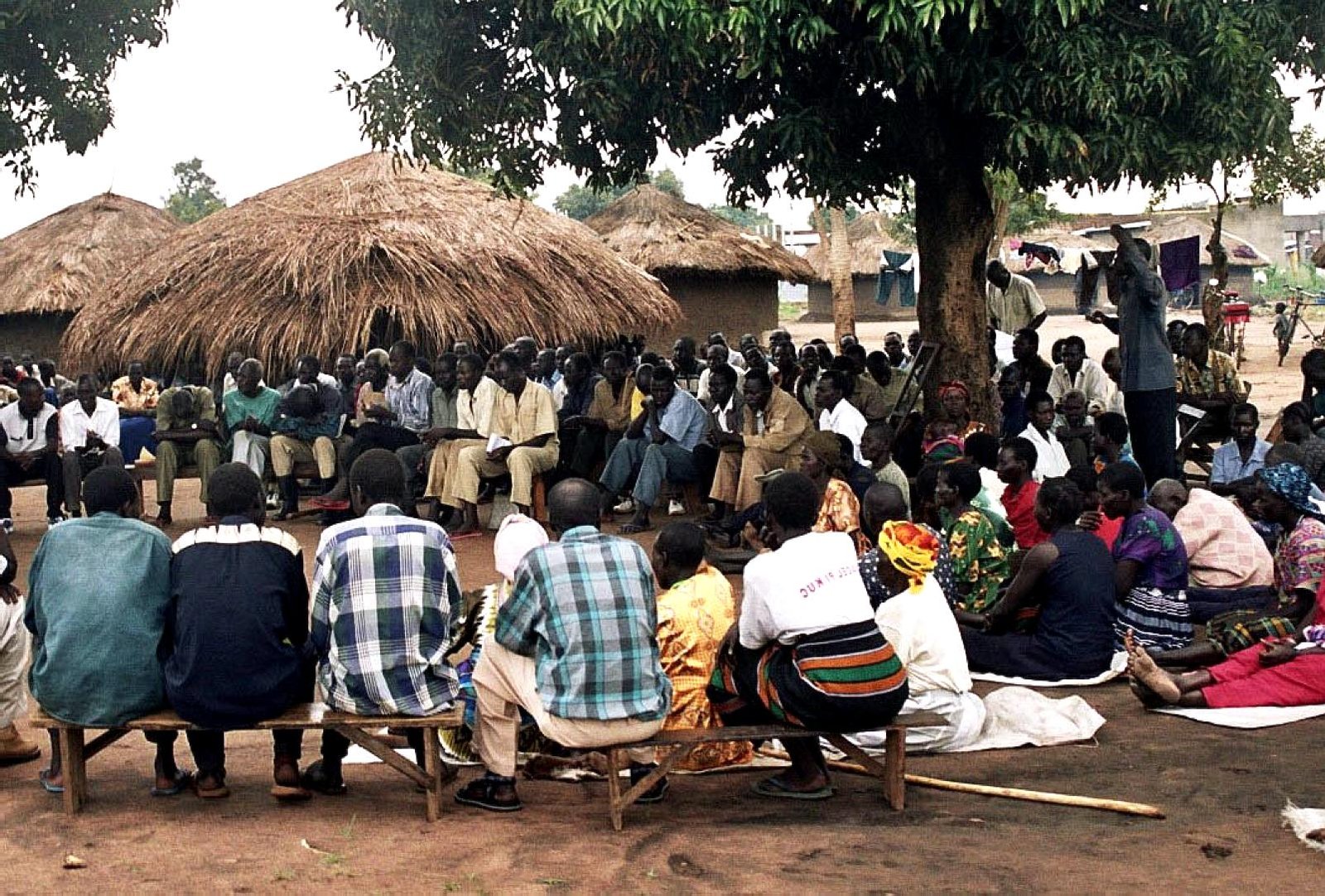
Through this approach, RADENAMIAS brings a new dynamic — turning everyday challenges into engines of progress. The effectiveness of its methods is reflected in tangible, measurable results that directly benefit communities.
By prioritizing professionalism, transparency, and commitment, RADENAMIAS helps build resilient, innovative, and prosperous local institutions.
Joining the RADENAMIAS movement means believing in the power of communities to become the architects of their own success — and investing in a sustainable local future.
Copyright © 2026 Radenamias. All Rights Reserved.
 English
  French